Quick Answer on Cirrus Vision Jet Price
If you’re comparing options in the very light category, the cirrus vision jet price is one of the clearest entry points into private jet ownership. A new Cirrus Vision SF50 is commonly listed around $3,100,000, while a used example is often shown near $2,650,000. Depending on year, hours, and upgrades, the vision jet price in the used market can also start lower, with listings sometimes beginning around $1.9 million.
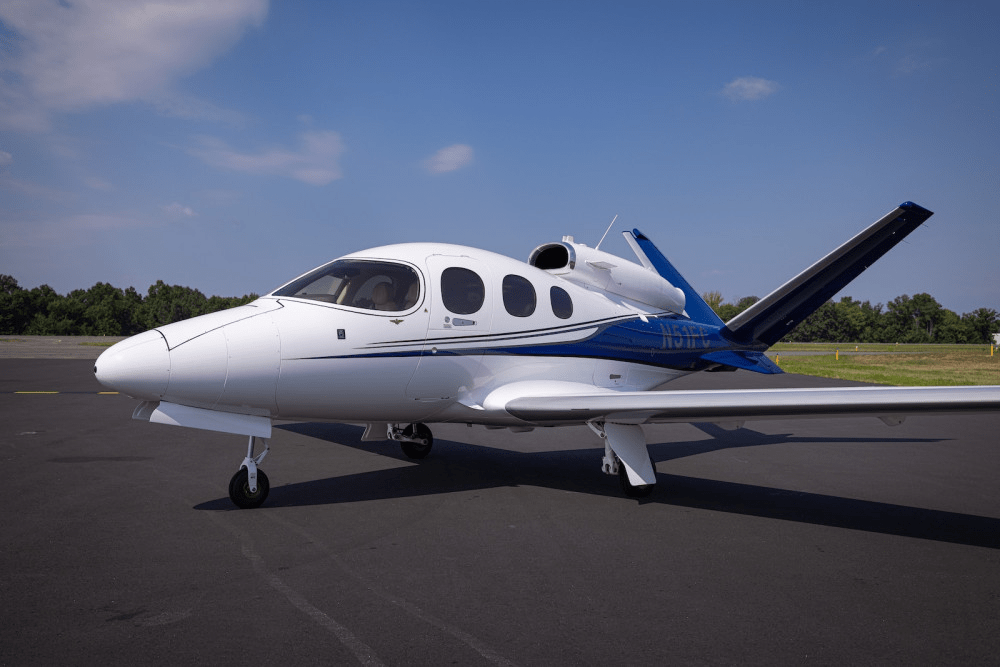
Those numbers are just the headline. The real decision comes from how the SF50 fits your missions, cabin expectations, and operating style. Do you want a simple, owner-friendly jet for short hops, or a polished solution that can still feel premium for clients and family?
What You’re Paying For
The SF50’s value proposition typically comes down to three things:
- A single-engine very light jet design built for approachable ownership
- A cabin that works best for small groups and short-to-mid trips
- A modern platform that has stayed in production since 2016
The cirrus vision jet price makes more sense once you connect cost to capability.
What the Cirrus Vision SF50 Is
The Cirrus Vision Jet SF50 is a single-engine, very light jet designed and manufactured by Cirrus Aircraft. Its development traces back to 2006, with the first prototype flight taking place in 2008. After a long certification journey, the aircraft received FAA certification in 2016 and has been delivered to customers since then.
The platform has also evolved through key updates. A G2 version arrived in 2019, and the 2021 SF50 G2+ introduced optimized engine performance and in-flight connectivity options, including Gogo connectivity in upgraded configurations. These milestones matter because they influence equipment levels, resale appeal, and the vision jet price you’ll see on the market.
Manufacturing Timeline
- Production start: 2016
- Production status: In production
- Major update points: G2 (2019), G2+ upgrade path (2021)
Cabin Fit: Who the SF50 Is Built For
This aircraft is at its best when you treat it like a premium, fast personal jet rather than a flying lounge. In many charter-style configurations, it’s commonly described as seating three to four adults plus two children (up to 90 pounds). With a single pilot, seating capacity is often presented as up to five passengers.
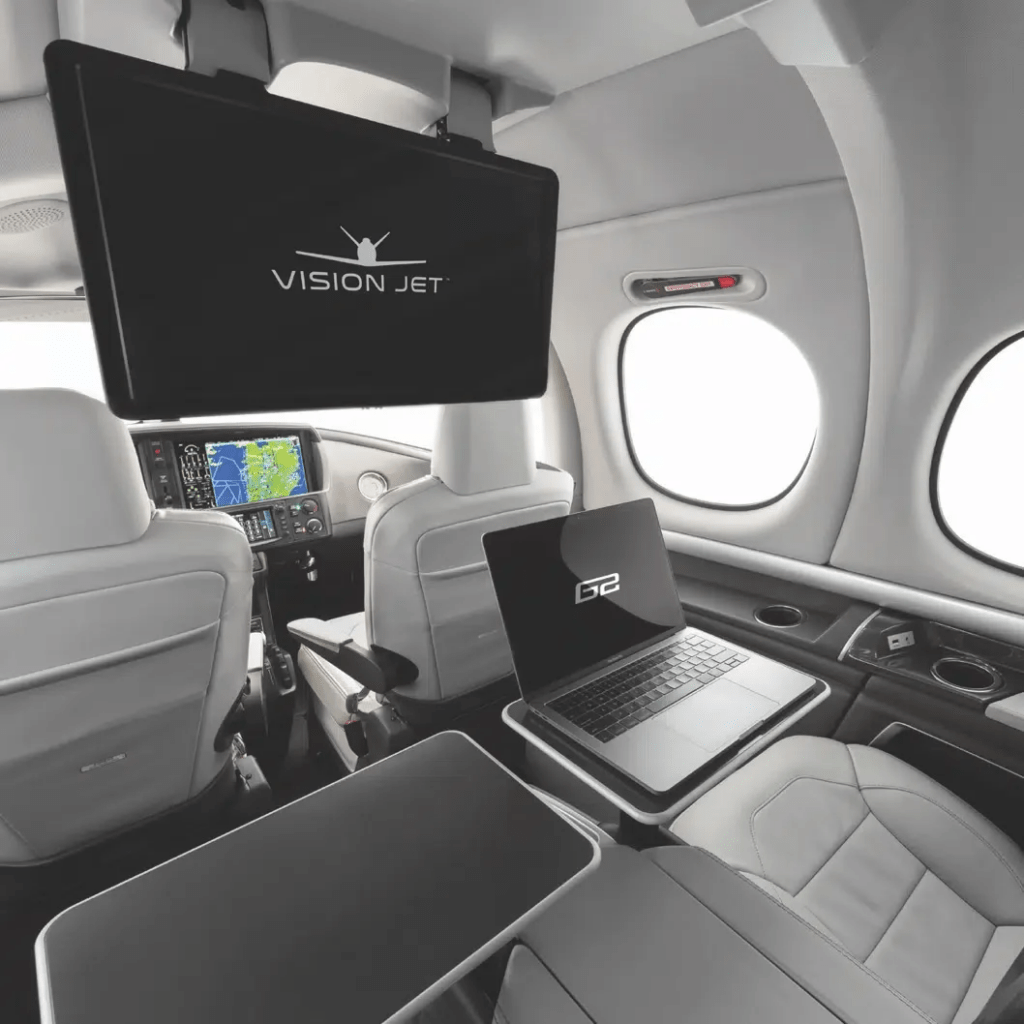
The cabin is compact, and that can be a positive when you want quick boarding, simple logistics, and a jet that feels easy to operate and maintain. It’s also important to be direct about limitations: there is no lavatory, and that influences trip planning.
Cabin Dimensions
The SF50 cabin dimensions are frequently listed as:
- Height: 4.07 feet
- Width: 5.08 feet
- Length: 11.48 feet
These numbers help explain why the cirrus vision jet price sits where it does. You’re buying efficiency and simplicity, not a large-cabin experience.
Range and Speed: What You Can Expect in Real Trips
Range figures for the Vision Jet can vary depending on payload, pilot count, and speed profile. One commonly cited number is 796 nautical miles. Another frequently referenced performance profile suggests the aircraft can reach about 1,200 nautical miles with a single pilot and three passengers under favorable conditions.
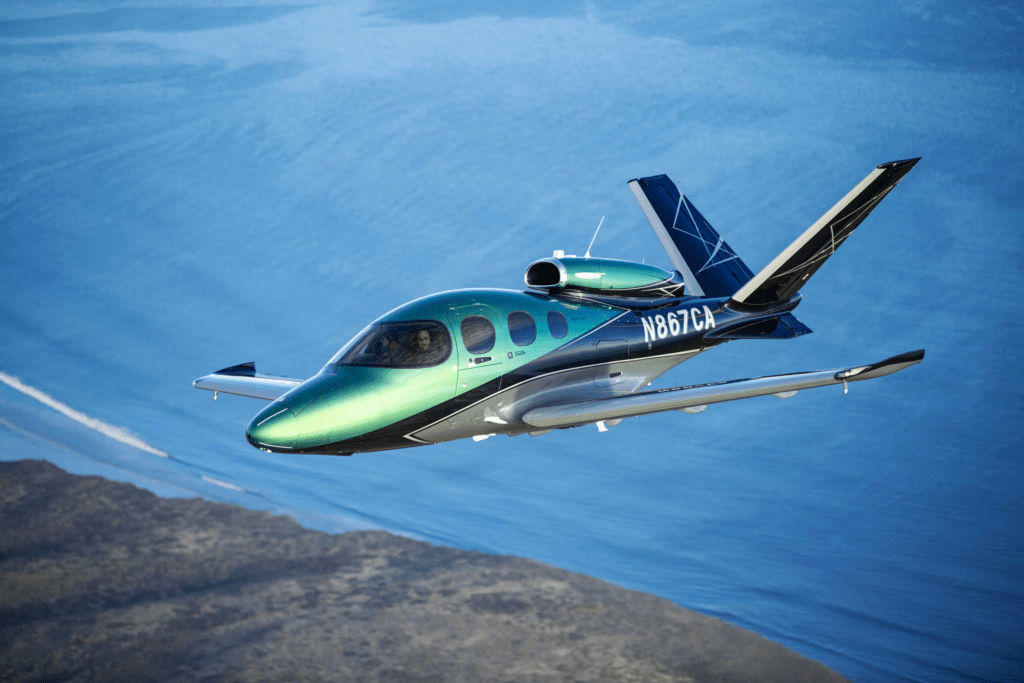
This variation is normal in private aviation. It’s also why smart buyers look beyond a single brochure figure when assessing the vision jet price. The better approach is to match range to the routes you actually fly.
Speed Profiles and Cruise Behavior
The SF50 is often presented with cruise targets around:
- High-speed cruise: about 295 knots
- Long-range cruise: about 240 knots
- Maximum operating speed: about 300 knots
Some profiles also cite a maximum speed up to about 345 knots, with operations around 28,000 feet in typical scenarios. The takeaway is simple: the SF50 is not trying to be the fastest jet in its class. It’s designed to be practical, predictable, and comfortable for the missions it’s built to serve.
Pricing Breakdown: New vs Used Vision Jet Price
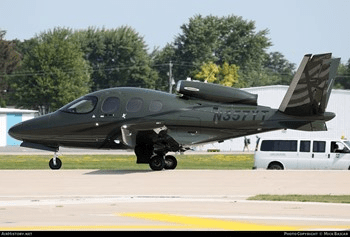
At a high level, the cirrus vision jet price tends to cluster in two bands: new aircraft near the $3 million mark, and used aircraft in the mid-to-high $2 million range, with older examples sometimes dipping below that depending on condition.
The gap between new and used can look modest compared to larger jets, and that’s often because buyers are paying for:
- Newer avionics and cabin options
- Lower time on airframe and engine
- More predictable maintenance history
- Stronger resale confidence in later model years
What Typically Moves the Price
A realistic vision jet price is shaped by:
- Aircraft year and version (early models vs G2-era aircraft)
- Total time, cycles, and maintenance tracking
- Connectivity, interior updates, and equipment packages
- Market demand and availability in your region
Key Specs at a Glance
The table below helps you compare the SF50’s core numbers quickly, without digging through multiple spec sheets.
| Category | Cirrus Vision SF50 (Typical Listing Data) |
| Production | 2016–present (in production) |
| Cabin (H × W × L) | 4.07 ft × 5.08 ft × 11.48 ft |
| Seating | Up to 5 (often 3–4 adults + 2 children in charter layouts) |
| Range | About 796 nm to about 1,200 nm (mission-dependent) |
| Speed | About 240–295 knots cruise; up to about 300 knots max op |
| New price reference | About $3,100,000 |
| Used price reference | About $2,650,000 (sometimes from about $1.9M+) |
Commercial Momentum and Why It Matters
The Vision Jet is also moving into commercial service. Florida-based VeriJet has stated plans to expand significantly, aiming for more than 100 aircraft in the coming years. That kind of visibility can influence buyer confidence, support networks, and long-term market interest.
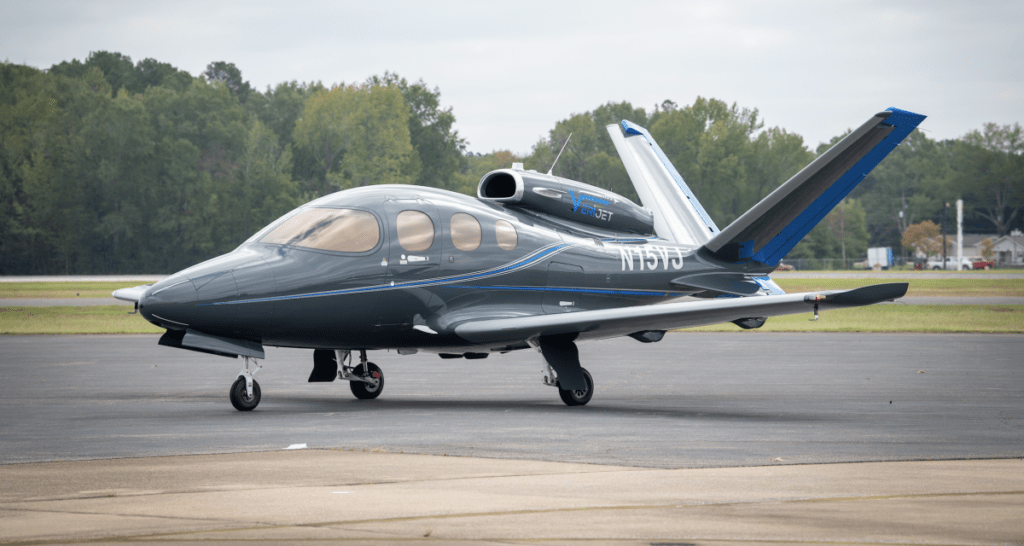
For owners, it can also signal a broader ecosystem: more pilots trained on the type, more familiarity among maintenance teams, and a stronger pipeline of parts and service options. In practical terms, that can help the cirrus vision jet price hold steadier than you might expect for an aircraft in this size category.
Operating Style and Ownership Experience
One reason the cirrus vision jet price attracts first-time jet buyers is the ownership experience. The SF50 is designed to feel approachable, both in flight operations and day-to-day management. Many owners value the ability to fly with one pilot, simplified systems, and predictable handling characteristics.

This approach reduces friction. Training pathways are clearer, scheduling is easier, and the aircraft fits naturally into personal and light business use. For owners stepping up from turboprops or high-performance pistons, the transition often feels logical rather than intimidating.
Why Owner-Pilots Gravitate to the SF50
Several factors consistently drive interest:
- Single-engine simplicity paired with jet performance
- Modern avionics and automation designed for workload reduction
- A support ecosystem built around individual owners
- Lower acquisition cost compared to multi-engine jets
These points help explain why the vision jet price feels accessible within the private jet spectrum.
Mission Profiles That Match the Vision Jet
The SF50 performs best on short to mid-range trips where speed, flexibility, and ease of use matter more than cabin size. Typical missions include regional business travel, family trips, and point-to-point flights that avoid airline hubs.
For these missions, the aircraft delivers consistent value. You board quickly, depart from smaller airports, and arrive closer to your destination. Over time, that efficiency often outweighs raw performance metrics when owners evaluate satisfaction.
Trips Where the SF50 Excels
Common use cases include:
- Regional business meetings within a few hours’ flight
- Weekend travel with family or close colleagues
- Access to secondary airports with minimal ground delay
Matching the aircraft to these missions is key to feeling good about the cirrus vision jet price long after purchase.
Jet Card and Access Options
While fractional ownership is not offered for this model, dedicated jet card access is available through certain operators. This matters for buyers who want exposure to the aircraft before committing to ownership or who prefer access without asset responsibility.
Jet card access also supports resale value by expanding awareness and utilization of the type. The broader the operational footprint, the easier it is for buyers and sellers to agree on a realistic vision jet price.
Resale and Market Confidence
The SF50’s continued production plays an important role in resale confidence. Buyers often feel more comfortable investing when the manufacturer remains active and committed to the platform. Updates like the G2 and G2+ keep the aircraft relevant and help older examples retain interest.
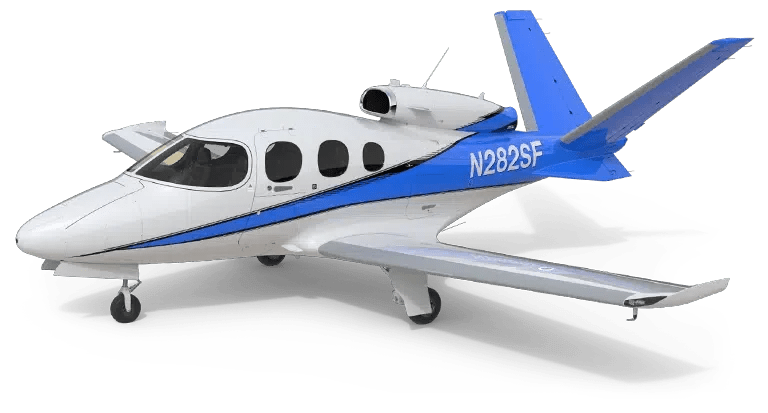
While no aircraft is immune to market shifts, the Vision Jet has shown resilience relative to its category. For many owners, that stability becomes part of the value equation.
Factors Supporting Resale
Resale confidence is often tied to:
- Ongoing production and upgrades
- Strong owner community
- Growing commercial visibility
- Consistent demand in the very light jet segment
These elements help anchor the cirrus vision jet price over time.
Is the Cirrus Vision Jet Price Worth It?
The real question is not whether the Vision Jet is inexpensive. It is whether it fits your needs cleanly and predictably. For the right buyer, the SF50 delivers a rare combination of jet speed, modern design, and manageable ownership.
If your missions align with its strengths and you value simplicity over scale, the vision jet price often feels justified. It is not trying to replace larger jets. It is carving out a focused role that many owners find hard to replace once experienced.
Would you rather pay for unused capability, or invest in an aircraft that matches how you actually fly?
Final Perspective on the SF50
The Cirrus Vision SF50 remains one of the most distinctive entries in private aviation. Its pricing reflects a deliberate balance between accessibility and performance. For buyers who understand its purpose, the aircraft offers clarity rather than compromise.

When evaluated honestly, the cirrus vision jet price is less about the number on the listing and more about alignment. When alignment is right, ownership tends to feel rewarding rather than aspirational.