What Happened on Colgan Air Flight 3407
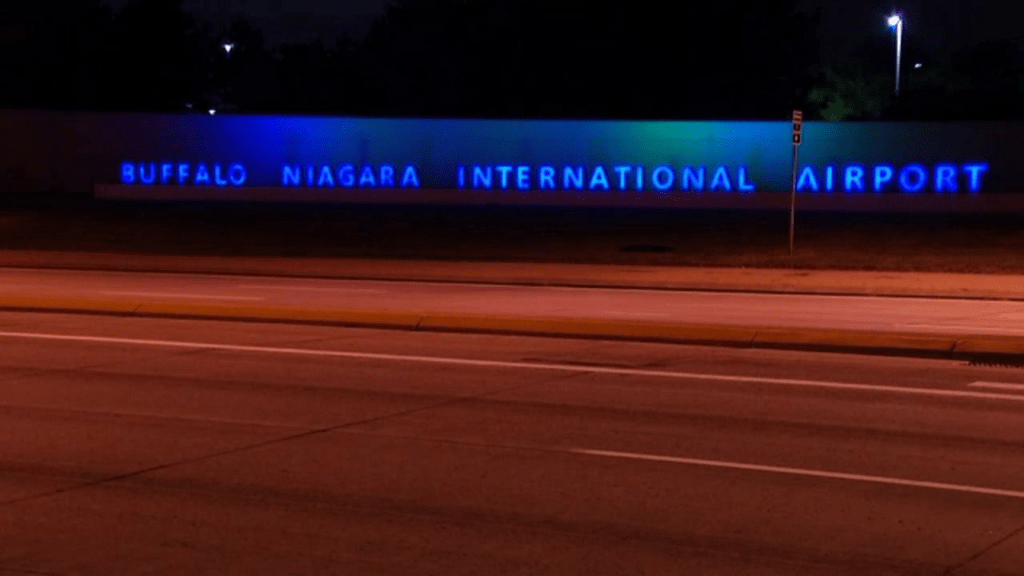
Colgan Air Flight 3407 was a scheduled regional passenger flight that ended in tragedy on February 12, 2009. The aircraft, a Bombardier Dash 8 Q400 turboprop, was operating a nighttime approach to Buffalo-Niagara International Airport when it crashed into a residential area roughly five nautical miles from the runway.
All 45 passengers, four crew members, and one person on the ground lost their lives. The 2009 plane crash occurred during the final phase of flight, a moment when precision and discipline are essential. The event quickly became one of the most consequential accidents in modern U.S. commercial aviation.
How could a routine regional flight trigger reforms that still define airline safety today?
The Final Seconds Before Impact
As the aircraft slowed for landing, the flight crew failed to properly monitor decreasing airspeed. Visual cues on the flight displays indicated the aircraft was approaching a critical threshold, yet corrective action was delayed.

When the stall warning system activated, the captain responded incorrectly by pulling back on the controls instead of reducing the angle of attack. This action caused a full aerodynamic stall. From warning activation to ground impact, the entire sequence lasted approximately 25 seconds.
Key Flight Crew Errors
Investigators later identified several critical breakdowns:
- Failure to monitor airspeed trends
- Improper response to stall warning
- Breakdown in crew coordination
- Deviation from established approach procedures
These factors combined rapidly, leaving no margin for recovery.
Findings From the Official Investigation
The final investigative report concluded that the probable cause of the Colgan Air Flight 3407 accident was the captain’s inappropriate response to the stall warning. Several contributing factors were also cited, including failures in airspeed management, adherence to sterile cockpit procedures, and airline approach policies in icing conditions.
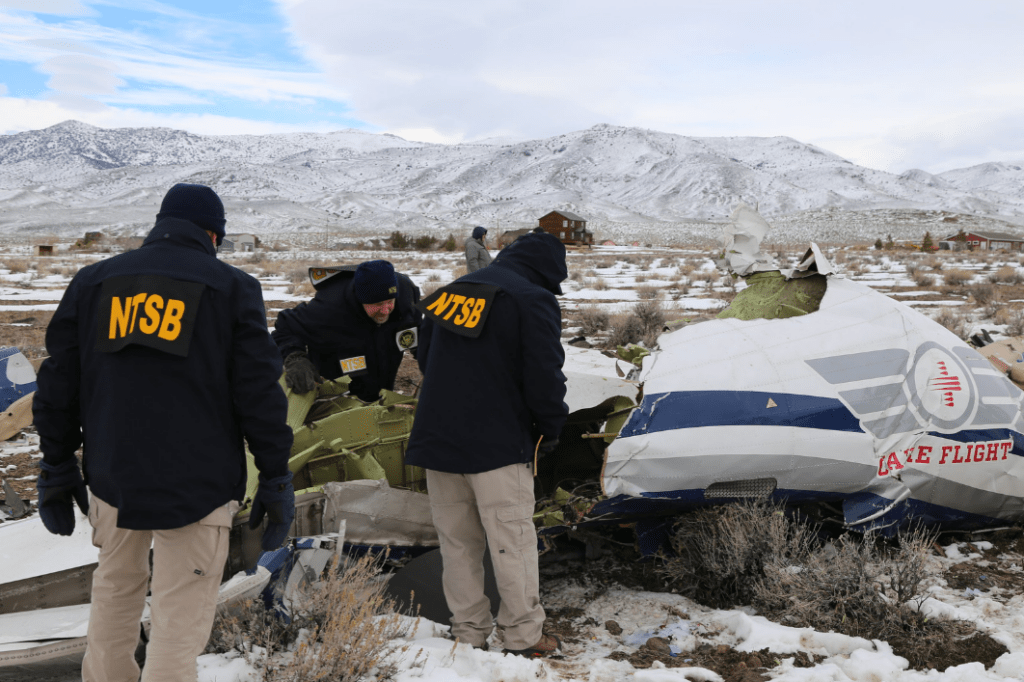
Fatigue was closely examined during the investigation. While both pilots were found to be fatigued based on recorded behavior and rest history, investigators could not conclusively determine that fatigue directly impaired performance during the flight.
This distinction would later become central to regulatory debate.
Why the 2009 Plane Crash Became a Turning Point
The impact of the 2009 plane crash extended far beyond the accident site. Families of the victims organized quickly and persistently, pushing for systemic change rather than limited corrective action. Their efforts brought national attention to regional airline operations, pilot qualifications, and oversight standards.

Within a year, lawmakers responded with sweeping legislation aimed at strengthening airline safety across the United States.
Major Safety Reforms Triggered by the Crash
The Airline Safety and FAA Extension Act of 2010 introduced the most significant regulatory changes in decades. These reforms reshaped how pilots are hired, trained, scheduled, and evaluated.

Key outcomes included:
- Stricter pilot qualification requirements
- New flight and duty time limits
- Mandatory safety management systems
- Enhanced training for stall and upset recovery
- Creation of a centralized pilot records database
These changes directly trace back to lessons learned from Colgan Air Flight 3407.
Pilot Qualification Rules After Colgan Air Flight 3407
Before the accident, regional airline first officers could be hired with as little as 250 flight hours. After the new rules took effect, pilots flying for Part 121 airlines were required to hold an Airline Transport Pilot certificate or a restricted version of it.
New Experience Thresholds
Under the revised standards:
- ATP certificate requires 1,500 flight hours and minimum age of 23
- Restricted ATP allows entry at 750 to 1,000 hours under structured training paths
- Enhanced academic and simulator-based preparation became mandatory
Although controversial, these requirements redefined the baseline for airline cockpit readiness.
Flight Time, Fatigue, and Duty Limit Reforms
Another major outcome of the 2009 plane crash was the creation of new science-based fatigue rules. These regulations replaced simple time limits with a model that considers circadian rhythms, time zones crossed, and number of flight segments.
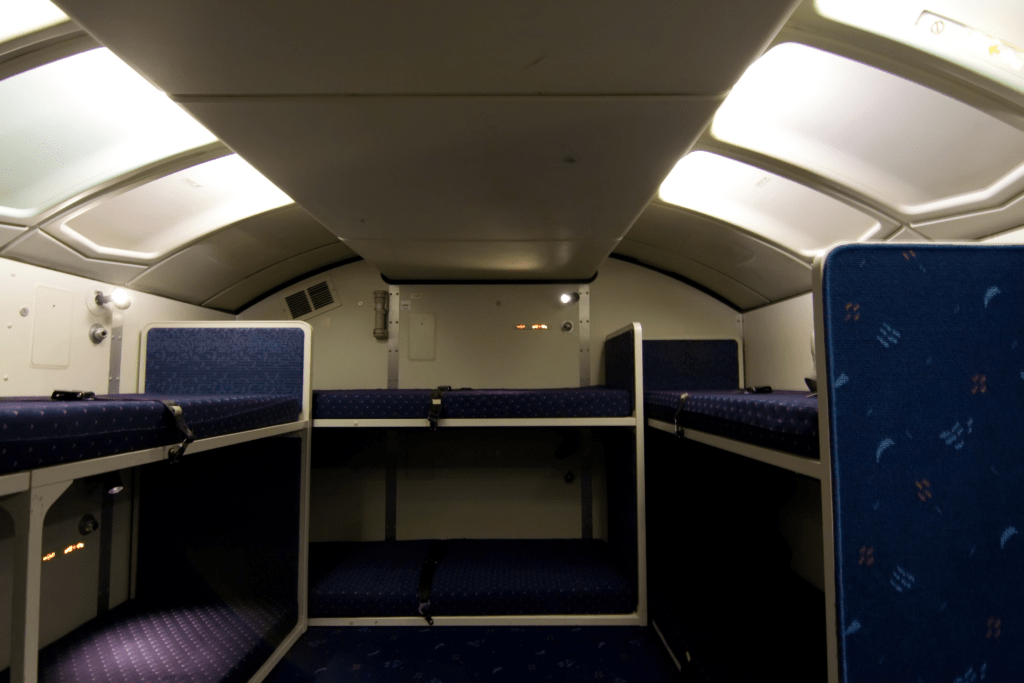
Airlines were also required to implement fatigue risk management plans and provide annual fatigue awareness training. These changes aimed to address systemic risk rather than isolated behavior.
Training for Stall and Loss of Control
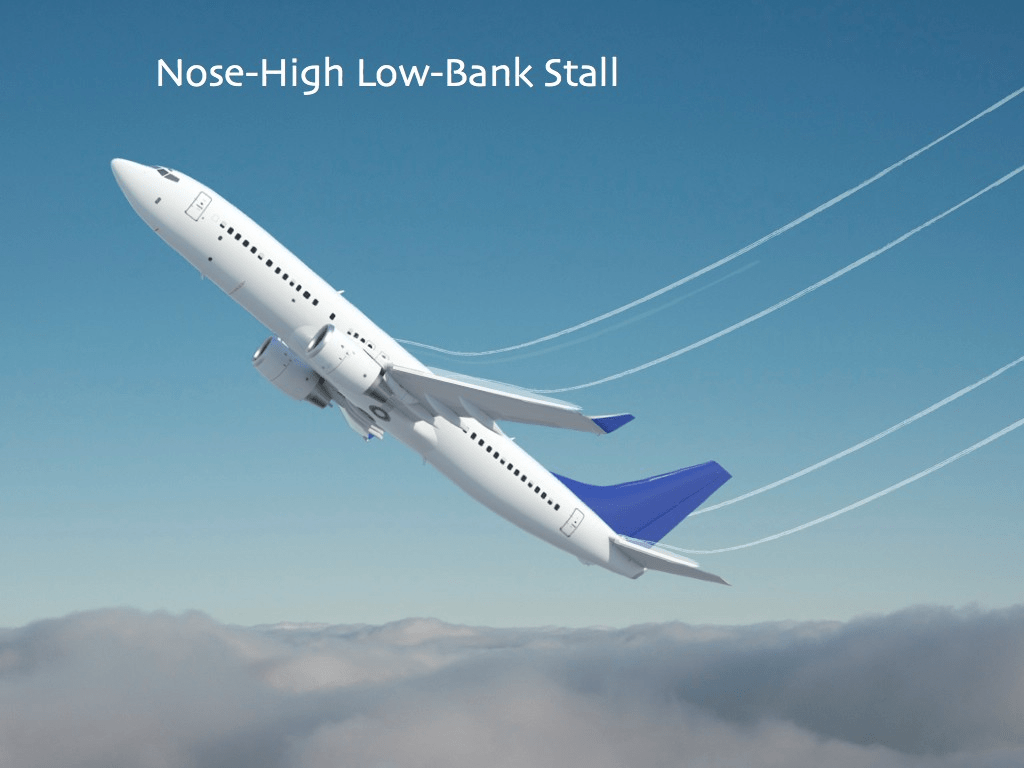
Investigators found that both pilots responded incorrectly to the developing stall. As a result, regulators mandated enhanced upset prevention and recovery training for airline pilots.
Modern training now emphasizes:
- Reducing angle of attack during stall recovery
- Full-stall simulator scenarios
- Manual flight skills in challenging conditions
- Recovery from unreliable airspeed events
These requirements marked a shift away from purely theoretical instruction toward realistic, scenario-based training.
Lasting Impact on U.S. Airline Safety
The reforms that followed Colgan Air Flight 3407 reshaped regional and mainline airline operations. Since the implementation of these measures, fatal accidents involving U.S. passenger airlines have become extremely rare.
The crash is often cited as the final catalyst in a series of regional airline accidents that exposed structural weaknesses in oversight and training. Its legacy is measured not only in regulations, but in lives saved through prevention.
The Pilot Records Database and Hiring Transparency
One of the most far-reaching outcomes of Colgan Air Flight 3407 was the creation of a centralized Pilot Records Database. Investigators found gaps and inconsistencies in how pilot training and performance records were maintained and shared between employers. Those gaps limited hiring visibility and weakened safety oversight.
The new database consolidated records from multiple sources into a single system. Airlines are now required to review comprehensive pilot histories before allowing a pilot to begin service. This change addressed systemic blind spots rather than isolated failures.
What the Database Includes
The database integrates information from:
- Certification and medical records
- Training outcomes and check results
- Employment history and disciplinary actions
- Relevant driving violations tied to safety risk
Pilots retain the right to review their records and correct errors, preserving fairness while strengthening accountability.
Leadership, Mentoring, and Cockpit Discipline
Investigators identified breakdowns in cockpit leadership and adherence to sterile cockpit rules as contributors to the 2009 plane crash. These findings prompted new requirements focused on command skills, professionalism, and crew coordination.
Airlines were directed to implement structured mentoring and leadership programs for new hires and experienced pilots alike. New pilots now observe line operations before assuming active crew duties, reinforcing procedural discipline and decision-making standards.
Command and Professional Development
Updated training frameworks emphasize:
- Effective crew resource management
- Clear command authority and communication
- Professional conduct during critical phases of flight
These measures target human factors that cannot be addressed through technical fixes alone.
Safety Management Systems Become Mandatory
Before Colgan Air Flight 3407, many airlines participated voluntarily in safety programs designed to identify risk trends. After the accident, regulators moved to formalize these practices.
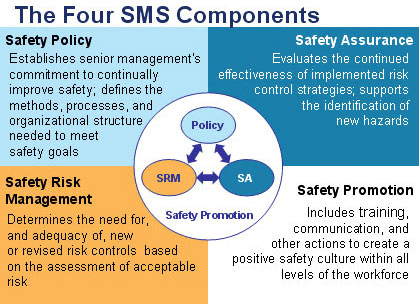
All passenger airlines operating under Part 121 were required to establish Safety Management Systems. These systems shifted safety oversight from reactive investigation to proactive risk identification.
Core Elements of Safety Management
A functional system includes:
- Hazard reporting and data analysis
- Risk mitigation strategies
- Continuous monitoring and improvement
- Management accountability for safety outcomes
This framework is now considered a foundation of modern airline operations.
Code-Share Disclosure and Passenger Awareness
The flight involved in the accident was marketed under a major airline brand while being operated by a regional carrier. At the time, disclosure of the operating airline was not required. This lack of transparency became a consumer protection issue after the crash.
New rules now require clear disclosure of the actual operating carrier at the point of sale. Passengers must be informed which airline is providing transportation on every segment of their journey.
Measurable Safety Outcomes Since the Crash
The regulatory changes that followed Colgan Air Flight 3407 produced measurable results. In the years since implementation, fatal accidents involving U.S. passenger airlines have become exceedingly rare. The industry entered an unprecedented period of safety stability.
The 2009 plane crash is often cited as the last major regional airline disaster before a new regulatory era began. While no regulation can eliminate risk entirely, the cumulative effect of these reforms reshaped airline safety culture.
The Role of Families in Aviation Safety
Families of the victims did not step away after the investigation concluded. They remained active in safety advocacy, emphasizing transparency, communication, and accountability after accidents. Their efforts influenced how airlines and regulators interact with families following incidents.
Their message has remained consistent: safety reform requires persistence, clarity, and respect for those affected.
Why Colgan Air Flight 3407 Still Matters
Colgan Air Flight 3407 stands as a defining moment in aviation history. The accident exposed weaknesses in training, oversight, and transparency that were not fully addressed before 2009. The response transformed those weaknesses into enforceable standards.

The legacy of the crash is not limited to laws and procedures. It is reflected in safer cockpits, clearer hiring practices, and a system designed to learn before tragedy strikes again.