Understanding Private Jet Cost at a Glance
Private jet cost depends on how you fly, how often you fly, and the level of aircraft you expect. Buying a private jet offers full control and availability, while chartering provides flexibility without long-term commitments. Both paths deliver privacy, speed, and comfort that commercial travel cannot match.
At a high level, buying a private jet typically starts around $2 million and can exceed $100 million for ultra-long-range aircraft. Private jet charter cost, by contrast, usually begins at about $5,000 per flight hour, depending on aircraft size and route. These figures vary widely based on cabin class, range, age, and onboard features.
Is it smarter to own an aircraft or simply pay for access when you need it? The answer depends on usage patterns, financial priorities, and lifestyle expectations.
How Much Does It Cost to Buy a Private Jet?
The purchase price of a private jet is driven by aircraft category, range, and level of customization. Entry-level jets are designed for short regional trips, while long-range jets are built for intercontinental travel with full living spaces.
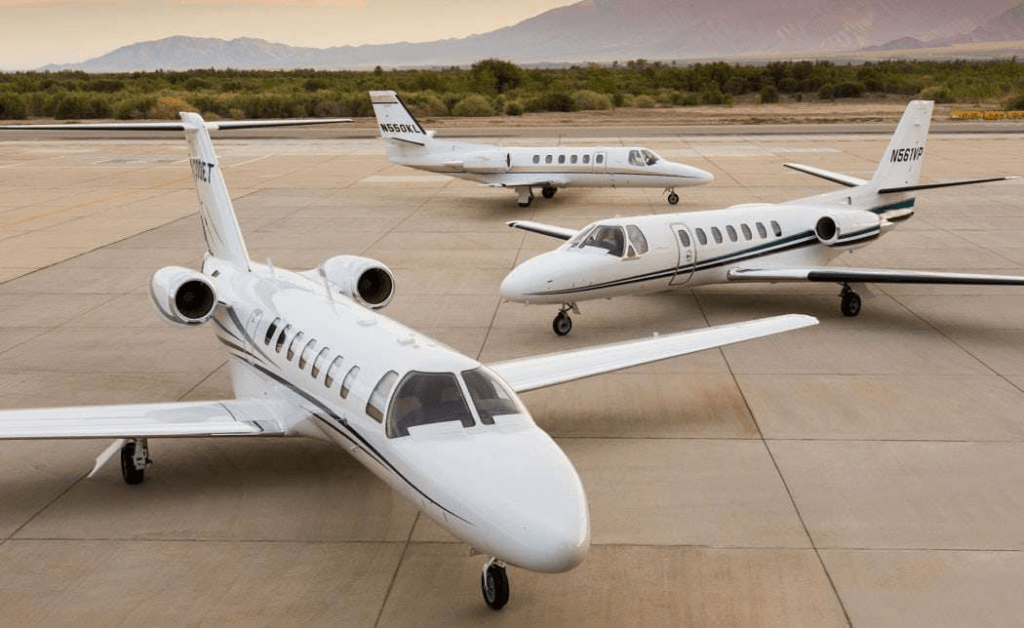
As a general benchmark, private jet cost by category follows a clear progression from compact to ultra-premium aircraft. Buyers should also account for interior upgrades, avionics packages, and cabin layouts that can significantly increase the final price.
Very Light and Light Jets
Very light jets are the most accessible entry point into ownership. They typically seat four to seven passengers and are ideal for short flights of up to three hours.
Light jets add cabin comfort and often include enclosed lavatories. They suit business travelers flying regional routes who value speed and efficiency without excess space.
Midsize and Super-Midsize Jets
Midsize jets offer a noticeable jump in cabin volume and range, allowing flights of around five hours. Super-midsize models extend that range further while improving baggage capacity and inflight comfort.
These aircraft balance performance and cost, making them popular among owners who fly regularly but do not need global range.
Heavy and Ultra-Long-Range Jets
Heavy jets are built for long-haul missions. They can seat up to 16 passengers and fly nonstop for eight to nine hours. Ultra-long-range jets go even further, reaching up to 16 hours of endurance with fully enclosed bedrooms and living zones.
For buyers seeking maximum autonomy and comfort, this category defines the high end of private jet ownership.
Private Jet Purchase Price Overview

The table below outlines typical private jet cost ranges by aircraft class, providing a practical snapshot for comparison.
| Jet Category | Typical Capacity | Approximate Range | Estimated Purchase Price |
| Very Light Jet | 4–7 passengers | Up to 3 hours | $2–5 million |
| Light Jet | 6–8 passengers | 3–4 hours | $6–12 million |
| Midsize Jet | 7–9 passengers | Around 5 hours | $10–30 million |
| Heavy Jet | 10–16 passengers | Up to 9 hours | $15–65 million |
| Ultra-Long-Range Jet | 12–18 passengers | Up to 16 hours | $50–100+ million |
| VIP Airliner | 20–300 passengers | 12+ hours | $100–440+ million |
These figures represent aircraft pricing only and do not include operating or ownership costs.
Ongoing Private Jet Ownership Cost
Owning a jet goes far beyond the purchase price. Annual private jet ownership cost typically ranges from $500,000 to over $4 million, depending on aircraft size and usage.
Key recurring expenses include:
- Maintenance and scheduled inspections
- Fuel and landing fees
- Crew salaries and training
- Insurance and regulatory compliance
- Hangar and parking costs
For frequent flyers, these costs may be justified by convenience and availability. For others, they can outweigh the benefits of ownership.
Is Buying a Private Jet Worth It?
Buying a private jet becomes financially rational when annual charter spend approaches or exceeds ownership costs. This often happens when flight time exceeds about 200 hours per year.
Ownership also delivers advantages that go beyond numbers, including guaranteed availability, consistent crew, and personalized interiors. However, for travelers flying less frequently, these benefits may not justify the fixed costs.
So, does control and customization matter more than flexibility and cost efficiency? That question sits at the center of every ownership decision.
How Much Does Private Jet Charter Cost?
Private jet charter cost is calculated primarily by flight hours, aircraft type, and route complexity. Entry-level charter flights typically begin between $3,000 and $5,000 per hour, while long-range jets can exceed $20,000 per hour.

Chartering eliminates maintenance, crew management, and depreciation concerns. You pay only when you fly, making it attractive for occasional or variable travel needs.
Typical Private Jet Charter Rates
Charter pricing generally aligns with aircraft size and performance:
- Very light jets: about $2,500–5,000 per hour
- Light jets: about $5,000–8,000 per hour
- Midsize jets: about $7,000–12,000 per hour
- Heavy jets: about $12,000–25,000 per hour
- Ultra-long-range jets: about $15,000–30,000 per hour
Additional costs such as catering, international permits, and repositioning flights can add 20–40 percent to the base rate.
Charter vs Ownership: Making the Right Choice
Choosing between chartering and buying a private jet depends on more than budget alone. It involves lifestyle, schedule predictability, and appetite for long-term responsibility.
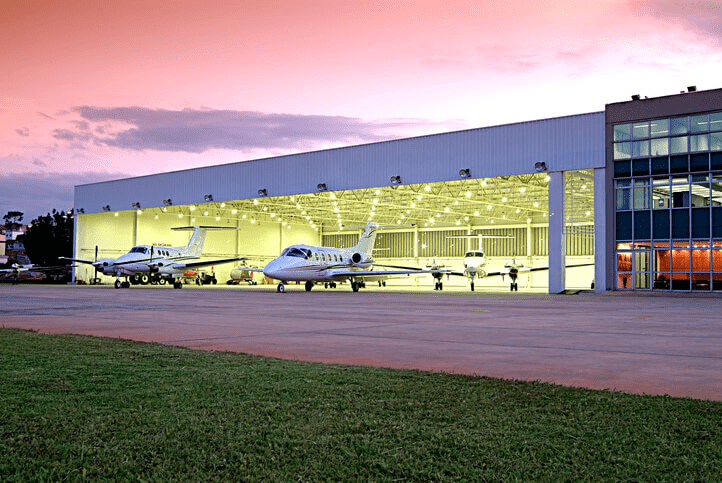
Ownership suits those who:
- Fly frequently throughout the year
- Need guaranteed aircraft access
- Value consistent interiors and crew
Charter suits those who:
- Fly fewer than 200 hours annually
- Prefer cost control and flexibility
- Want access to different aircraft types per trip
Which model fits your travel profile today, and which will still make sense in five years?
Final Perspective on Private Jet Cost
Private jet cost is not a single number but a spectrum shaped by how you travel. Buying a private jet offers unmatched control and prestige, while chartering delivers luxury with financial agility. Understanding both paths allows you to choose the option that aligns with your priorities, whether that is ownership freedom or charter flexibility.
Cost Factors That Influence Private Jet Charter Pricing
Private jet charter pricing is shaped by more than aircraft size alone. Several operational and market variables can shift final costs upward or downward, sometimes significantly. Understanding these factors helps set realistic expectations and avoids surprises during booking.
Flight distance plays a central role. Longer routes consume more fuel and often require crew duty extensions or overnight stays. International flights add complexity through permits, customs handling, and overflight fees. Seasonal demand also matters, with peak travel periods driving higher hourly rates and limited availability.
Additional elements that affect charter cost include:
- Aircraft positioning if the jet is not based near your departure airport
- Airport fees that vary widely by region and congestion level
- Special onboard requests such as premium catering or pets
- De-icing and weather-related services in colder climates
Knowing these variables upfront allows for better planning and smarter timing when booking private flights.
Empty Leg Flights and Cost-Saving Opportunities
Empty leg flights present one of the most effective ways to reduce private jet charter cost. These are repositioning flights where an aircraft must travel without passengers to reach its next assignment or return to base.
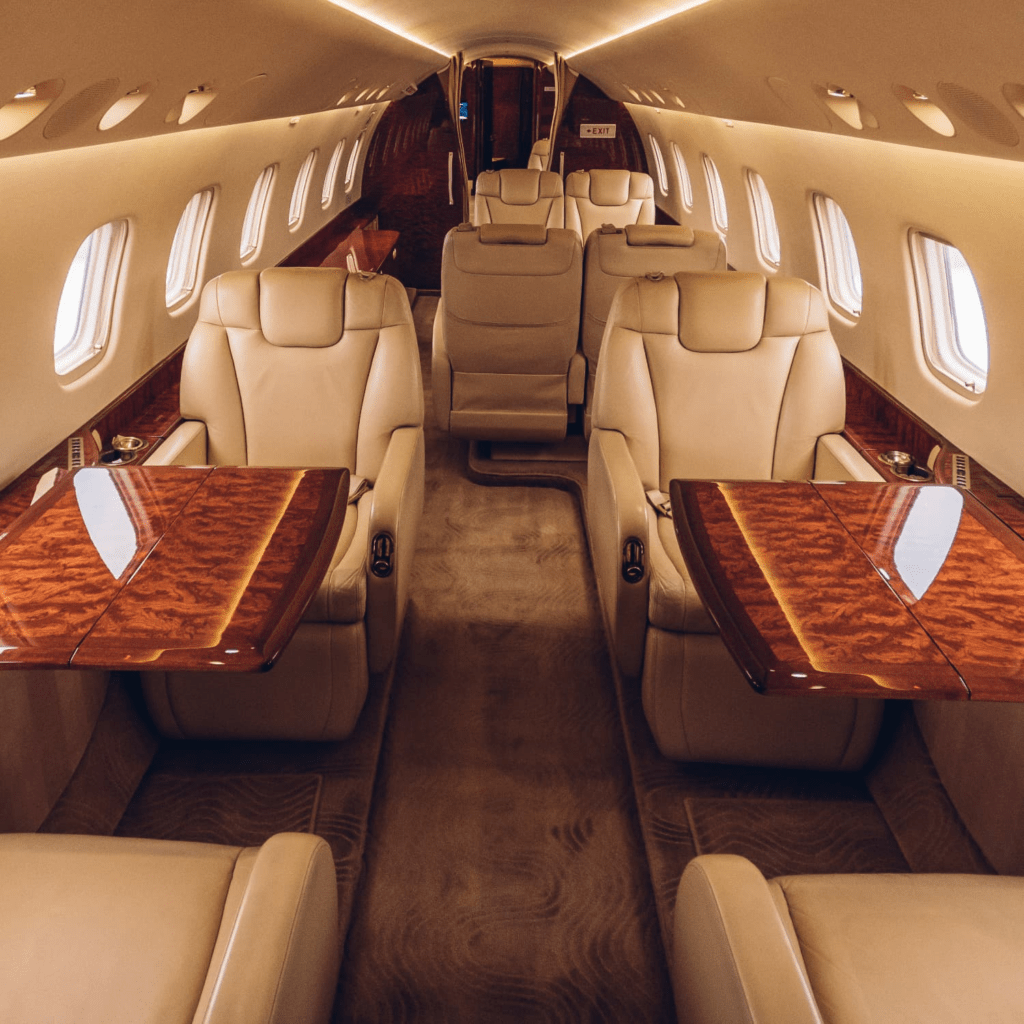
Because operators aim to offset unavoidable expenses, empty leg pricing is often discounted by 25 to 75 percent compared to standard charter rates. The trade-off is limited flexibility, as routes and schedules are fixed.
Empty legs work best for travelers who:
- Can adjust departure times on short notice
- Have flexible destinations within a region
- Want private jet access at reduced cost
While not suitable for every itinerary, empty legs can deliver exceptional value when timing aligns.
Private Jet Cost for International Travel
International private jet travel introduces additional cost layers beyond domestic flights. These include landing permits, customs coordination, navigation fees, and sometimes mandatory ground handling agents.
Fuel pricing also varies by country, and long-haul missions may require technical stops depending on aircraft range and weather conditions. Despite higher costs, international charter remains appealing for travelers seeking direct access to airports not served by commercial airlines.
For long-distance travel, ultra-long-range jets often prove more efficient overall, reducing stopovers and saving valuable time.
Private Jets With Bedrooms and Their Cost Impact
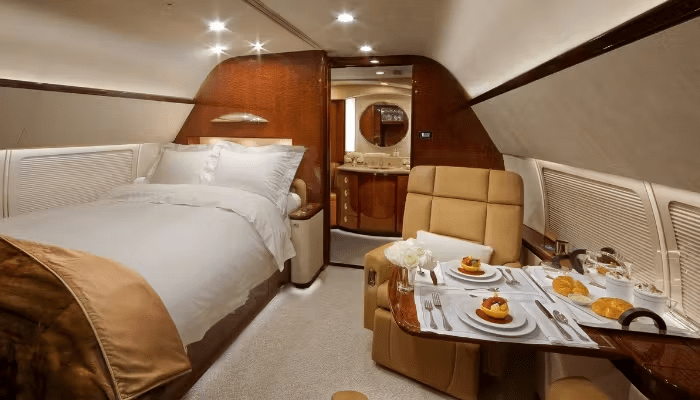
Aircraft equipped with full bedrooms sit at the top end of the private jet cost spectrum. These features are typically found on heavy and ultra-long-range jets designed for overnight or intercontinental missions.
A true bedroom includes a full-size bed, privacy door, dedicated lighting controls, and often an ensuite bathroom. These layouts increase aircraft value and charter rates but dramatically enhance comfort on long flights.
Charter pricing for jets with bedrooms usually starts around $13,500 per flight hour and can exceed $20,000 per hour for larger aircraft with multiple staterooms. For travelers prioritizing rest and privacy, the premium is often justified.
Financing and Tax Considerations in Jet Ownership
Financing plays a critical role in managing private jet ownership cost. Many buyers choose structured financing or leasing to preserve liquidity and spread expenses over time. Interest rates, loan terms, and residual values all influence the long-term cost profile.
Tax considerations vary by jurisdiction but may include depreciation benefits, fuel tax credits, and operating expense deductions. Structuring ownership correctly can improve cash flow and reduce net cost, especially for business users.
Professional guidance is essential to align financing and tax strategy with flight activity and asset management goals.
Private Jet Cost Comparison: Charter vs Ownership Over Time
Comparing charter and ownership costs over several years provides clarity for long-term planning. Charter offers predictable, usage-based spending, while ownership involves higher fixed costs but lower marginal cost per flight hour once utilization rises.
For example, a traveler flying 50 to 100 hours annually will typically find charter more economical. Beyond 200 hours per year, ownership may become competitive, especially when factoring in time savings and availability.
The decision ultimately hinges on frequency, mission profile, and tolerance for operational responsibility.
Choosing the Right Private Jet Strategy
Selecting the right approach to private aviation requires an honest assessment of travel habits and priorities. There is no universal answer, only the option that best aligns with how, when, and why you fly.
Key questions to consider include:
- How many hours per year will you realistically fly?
- Do you need guaranteed access at short notice?
- Is cost predictability more important than asset control?
By answering these questions, travelers can align private jet cost with real-world needs rather than assumptions.
A Clear View on Private Jet Cost
Private jet cost reflects freedom, efficiency, and comfort that commercial travel cannot replicate. Ownership delivers unmatched control and personalization, while charter provides flexibility and cost discipline. Both paths serve different lifestyles and travel patterns.
Understanding the full cost structure allows informed decisions, ensuring private aviation remains a strategic advantage rather than an unnecessary expense.