
A Political Marriage That Defied Expectations
When people ask what happened to James Carville and Mary Matalin, the question often carries surprise. For decades, they stood on opposite sides of America’s political divide while sharing a marriage that endured public scrutiny, intense debate, and nonstop media attention.

James Carville’s wife, Mary Matalin, built her career as a Republican strategist, while Carville became one of the most recognizable Democratic voices in modern politics. Their relationship never relied on ideological agreement. It relied on personal boundaries, mutual respect, and a clear separation between marriage and message.
How many couples could survive that level of public disagreement and remain intact?
How James Carville and Mary Matalin First Met
The story begins during the 1992 presidential campaign. At the time, Matalin worked for the incumbent Republican administration, while Carville served as a lead strategist for the Democratic challenger. Their professional roles placed them in direct opposition during one of the most competitive elections of the era.

Despite the rivalry, a personal connection formed. The contrast between their views became part of the appeal rather than an obstacle. From the start, both understood that politics would never define their private life.
Early Relationship Dynamics
Their early years together set patterns that remained consistent:
- Clear rules about when politics could be discussed at home
- Respect for each other’s professional independence
- A shared sense of humor about public perception
These habits laid the foundation for a long-lasting partnership.
Career Paths That Never Converged
James Carville’s wife never shifted her worldview to align with her husband’s. Instead, both continued building separate careers at the highest level. Carville remained deeply connected to Democratic campaigns, global political consulting, and academic teaching.

Matalin, meanwhile, worked with Republican leadership across multiple administrations before later changing her party registration to Libertarian. This evolution often reignited curiosity about what happened to James Carville and Mary Matalin, especially among those expecting political harmony to be a requirement for marital stability.
Public Visibility and Media Presence
Together and separately, they:
- Wrote bestselling political books
- Appeared regularly on television debates
- Spoke at major industry and policy events
- Became symbols of bipartisan coexistence
Their visibility kept their relationship under constant observation.
How They Managed Disagreement at Home
The most common misunderstanding about the couple is that they debated politics nonstop. In reality, both have said the opposite. Disagreement existed, but it was contained and controlled.

James Carville’s wife often emphasized that marriage does not require consensus on every issue. What mattered was shared values around family, loyalty, and mutual support.
Rules That Kept the Peace
Their approach included:
- Avoiding political arguments during personal time
- Picking battles selectively
- Never undermining each other publicly as spouses
- Prioritizing family over ideology
These choices prevented political tension from becoming personal conflict.
Public Curiosity Around Their Marriage
As political polarization increased nationwide, interest in what happened to James Carville and Mary Matalin intensified. Many saw their marriage as a test case for whether ideological divides could coexist without hostility.

Rather than presenting themselves as a model for politics, they consistently framed their relationship as personal, not prescriptive. They did not argue that their dynamic should be copied by institutions or parties.
Why Their Story Resonated
Their marriage resonated because it challenged assumptions:
- That shared beliefs are required for stability
- That political identity must dominate personal identity
- That compromise equals ideological surrender
Instead, it showed that boundaries can matter more than agreement.
Business Aviation and Shared Interests
One area where James Carville and Mary Matalin consistently aligned was travel. Both openly praised private aviation for its efficiency, flexibility, and ability to compress demanding schedules. Speaking engagements, media appearances, and personal commitments often required rapid movement between cities.

For them, private flying was not a luxury statement. It was a logistical solution that protected time and reduced stress, especially during intense professional periods.
A Snapshot of Their Public Roles
The table below captures how their careers and identities remained distinct while coexisting within one marriage.
| Aspect | James Carville | Mary Matalin |
| Political alignment | Democratic strategist | Republican, later Libertarian |
| Core roles | Campaign strategy, academia | Political advising, commentary |
| Public image | Aggressive message discipline | Ideological clarity and critique |
| Shared priorities | Family, time efficiency | Family, independence |
| Marriage approach | Separation of politics and home | Separation of politics and home |
Why the Question Still Gets Asked
The question of what happened to James Carville and Mary Matalin persists because their marriage contradicts modern political narratives. As public discourse grows sharper, examples of durable cross-ideological relationships feel increasingly rare.
Their story does not promise unity or consensus. It offers something quieter: proof that personal commitment can exist without ideological surrender, as long as boundaries are respected and priorities are clear.
How James Carville and Mary Matalin Evolved Over Time
As the political climate intensified, both adapted without abandoning their core identities. James Carville’s wife continued to refine her views, eventually shifting her formal affiliation while maintaining a consistent emphasis on limited government and personal responsibility. Carville, by contrast, stayed firmly rooted in Democratic strategy, messaging, and institutional politics.
This divergence did not signal distance in their marriage. It reflected growth along separate professional lines. Their ability to evolve independently helped prevent resentment and preserved mutual respect.
Independence as a Stabilizing Force
Their long-term stability relied on:
- Professional autonomy without spousal interference
- Acceptance of ideological evolution
- Clear emotional boundaries between work and home
Rather than forcing alignment, they allowed space.
Media Narratives Versus Reality
Public narratives often exaggerated tension, framing their marriage as a constant battleground. In reality, both described a quieter dynamic built on routine and restraint. They understood that media conflict sells, while private peace sustains relationships.
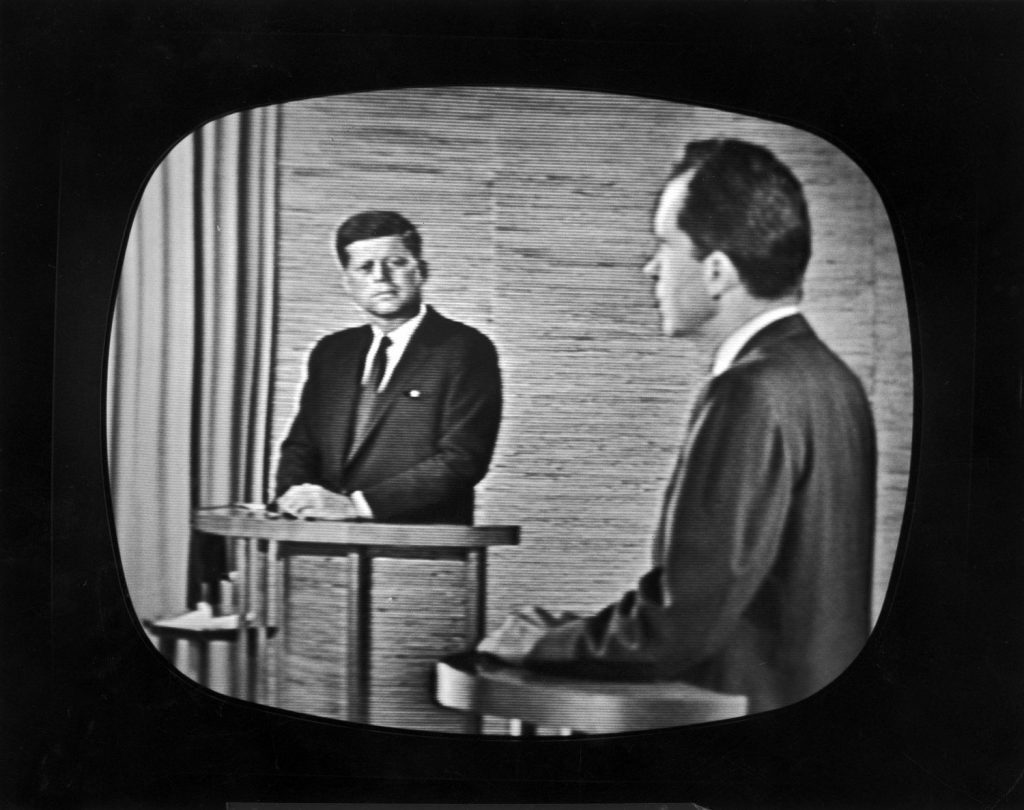
When asked repeatedly what happened to James Carville and Mary Matalin, the answer remained consistent. Nothing dramatic happened. They stayed married, raised their family, and continued their careers without merging identities.
Why Conflict Was Overstated
The perception gap came from:
- Televised debates amplifying contrast
- Public hunger for symbolic political drama
- Assumptions that ideology dictates personal behavior
Their lived experience contradicted each point.
Lessons Drawn From Their Marriage
Although they never positioned themselves as role models, observers naturally searched for lessons. The most practical takeaway was not compromise, but compartmentalization. They did not attempt to persuade each other at home.
James Carville’s wife frequently emphasized that love does not require agreement, only commitment. Carville echoed this by describing politics as work, not identity.
Practical Boundaries That Worked
Their approach highlights several principles:
- Treat ideology as professional, not personal
- Protect family space from public conflict
- Accept disagreement without moral judgment
These choices reduced friction rather than escalating it.
Why Their Relationship Endured Polarization
As polarization deepened nationally, their marriage appeared increasingly unusual. Yet its durability came from resisting the same forces driving division elsewhere. They avoided echo chambers inside their own home.
Instead of validating only familiar views, both consumed opposing perspectives professionally. This habit reduced emotional reactions and kept debate analytical rather than personal.
Does constant agreement actually strengthen relationships, or does respect matter more?
Where James Carville and Mary Matalin Stand Today
Today, both remain visible voices in political commentary, though at different levels of intensity. Their marriage continues quietly, no longer framed as a novelty but as a proven arrangement that outlasted multiple election cycles.

The enduring interest in what happened to James Carville and Mary Matalin says more about public discomfort with disagreement than about their relationship itself.
They did not solve political division. They simply refused to let it dictate their private lives.
Why Their Story Still Matters
Their marriage remains relevant because it challenges a core assumption of modern discourse: that ideological difference must lead to separation. Their experience suggests another path, one built on boundaries, trust, and a shared commitment beyond politics.
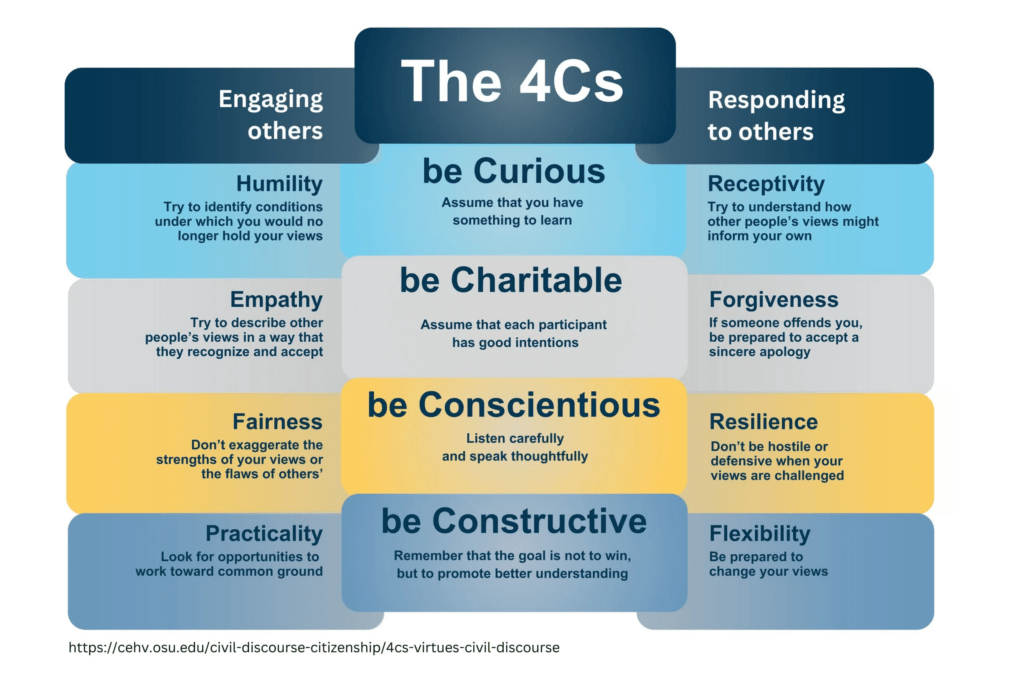
James Carville’s wife never became a political footnote, and Carville never softened his positions to preserve harmony. Each stayed intact. So did the marriage.
That outcome, rather than any debate or headline, explains why the question keeps being asked.